


The Larapinta Trail is unlike almost any other multi-day walk in Australia. Days can be warm or hot and dry, nights can be surprisingly cold, and the landscape offers very little natural water or shelter. Every gram on your back matters, but so does making sure you're properly fuelled.
One of the biggest mistakes first-time Larapinta walkers make is treating every day of food planning the same. The reality is that your food strategy should change depending on where you are on the trail.
1. Make Day One Count
There's no prize for carrying the lightest pack on day one.
You only have to carry that first day's food for a single day, so it's the perfect opportunity to eat generously. Pack that fresh sandwich. Bring those baked goods. Throw in some fruit. Enjoy a proper lunch instead of immediately reaching for freeze dry meals and energy bars.
Not only does it make the first day more enjoyable, it also means you can save your lightweight meals for when it actually matters.
Day one is my almond croissant and bag of grapes day.
2. Food Drop Days Are Made for Comfort
If you're organising food drops, or even better, using a gear retrieval service, this is your opportunity to live a little.
These are the nights to pack foods you'd never consider carrying for days on end. Heat-treated salami. Some parmesan. A bunch of On Track and Offgrid ready meals. Even a bottle of wine if that's your idea of celebrating another incredible section of the trail.
It's also the ideal time for meals that require a little more preparation or are simply more indulgent than your standard freeze dried dinner. There's something satisfying about finishing a long day in the West Macs with a proper meal rather than simply rehydrating another pouch.
These reset points aren't just good for morale. They help break up the routine and give you something to look forward to.
I spoke to a customer the other day (June 2026) who planned to hold onto her SLY Foods Potato Bourguignon until the end of the trail as her ‘special’ meal.

This is why we do it, you know? Views like this. Image credit: Wiki Commons
3. Long Stretches: Weight Becomes Everything
Once you're heading into the longer sections between resupplies, efficiency becomes the priority.
Look for foods that deliver the most nutrition for the least amount of weight and bulk.
Freeze dried meals are hard to beat here. They provide substantial calories while weighing only a fraction of their prepared weight. Pair them with lightweight snacks like nuts, jerky, trail mix, energy bars, and dried fruit to maximise calories without filling your pack.

Lightweight freeze dried meals like SLY Foods are a great option for keeping weight down but calories and nutrients up. Image credit: SLY Foods.
Every unnecessary gram gets carried over every climb. On the Larapinta, that adds up quickly.
We’ve supplied a couple of dozen Larapinta hikers this season and have partnered with Larapinta Trail Trek Support (LTTS) and what we’re seeing is people are opting for the likes of Real Meals, Campers Pantry, and SLY Foods in particular. These meals are lightweight and pack a solid calorific bang for your packweight buck.
4. Pack for the Climate
The Larapinta is dry. Very dry.
The low humidity means you lose water more quickly than many people realise, particularly when climbing under the Central Australian sun. Even in the cooler months, dehydration can sneak up on you.
Choose foods that you'll actually want to eat in warm conditions during the day, and save hearty hot meals for the cold evenings around camp.

A challenging through typical stretch of the Larapinta Trail. Image credit: Wiki Commons
It's also worth remembering that overnight temperatures can drop close to freezing during the hiking season. A hot breakfast like the super popular Back Country Cuisine Cooked Breakfast and a warming dinner become about more than comfort—they're an important part of staying warm and maintaining energy.
5. Electrolytes Are Essential
Water alone isn't enough.
Hours of walking in a hot, dry environment means you're continually losing electrolytes through sweat. Replacing them can help reduce fatigue, support hydration and minimise the likelihood of cramps.
Carry electrolyte tablets or powders—we stock the Offgrid Wetlands Electrolyte sachets and will be stocking a bigger range soon—and use them consistently rather than waiting until you're feeling depleted. Many experienced Larapinta walkers include electrolytes in at least one or two bottles every day.
To be sure, after all the filtered or treated water you’ll be drinking some sweetened electrolyte-laced water boosts morale too.
6. Prioritise Protein
After spending eight or ten hours walking, your body needs more than carbohydrates.
Protein helps repair muscle tissue, supports recovery and leaves you feeling better prepared for the next day's hiking.
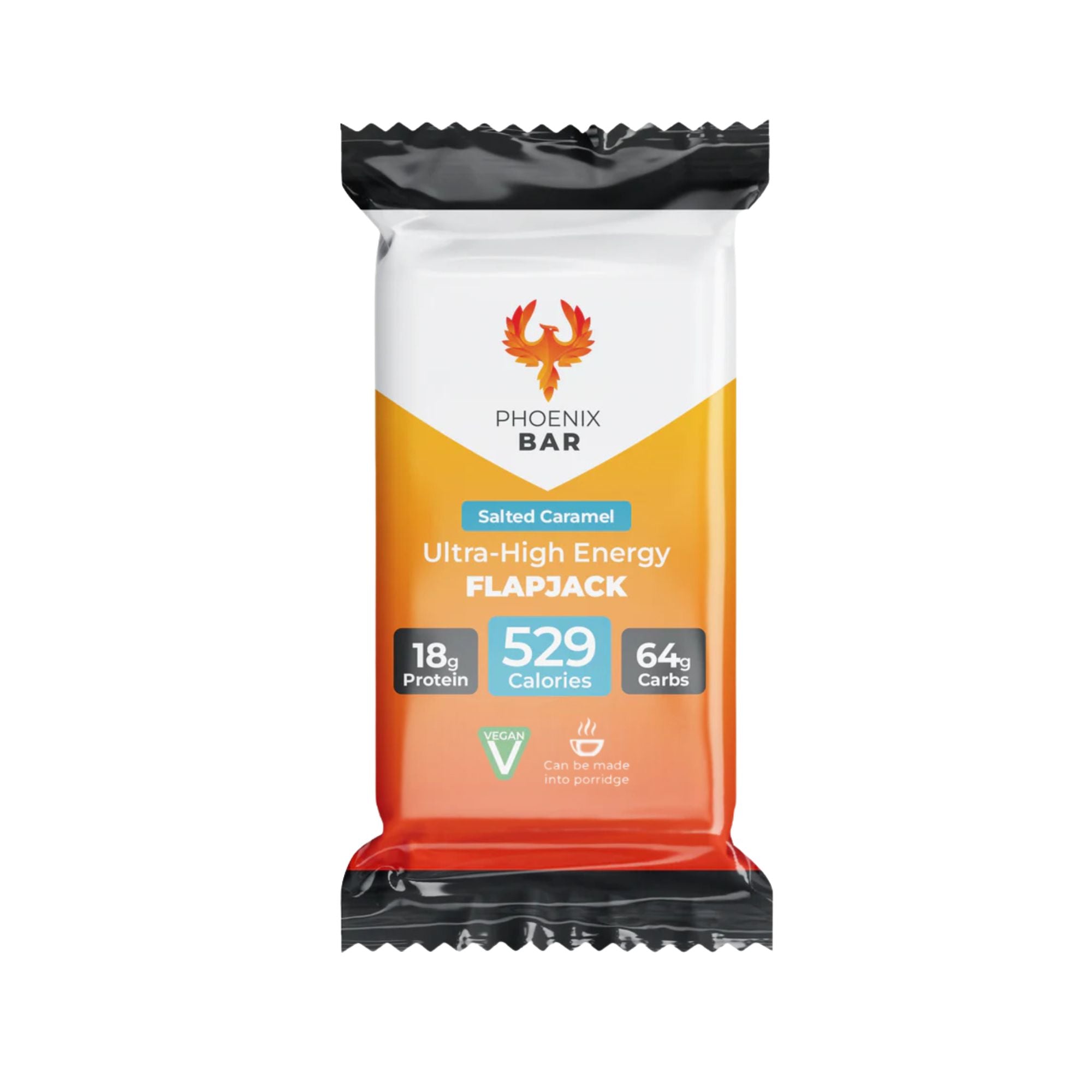
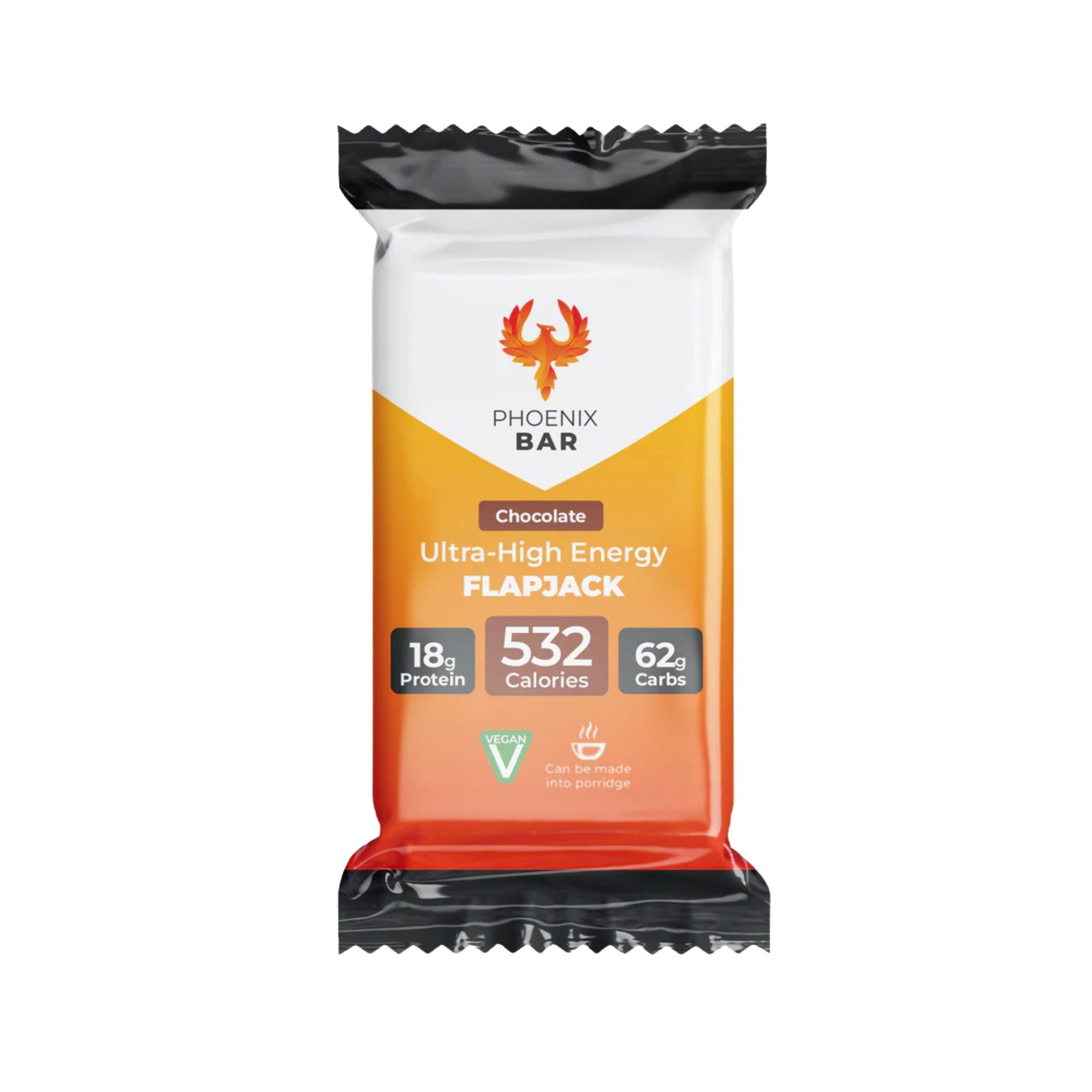
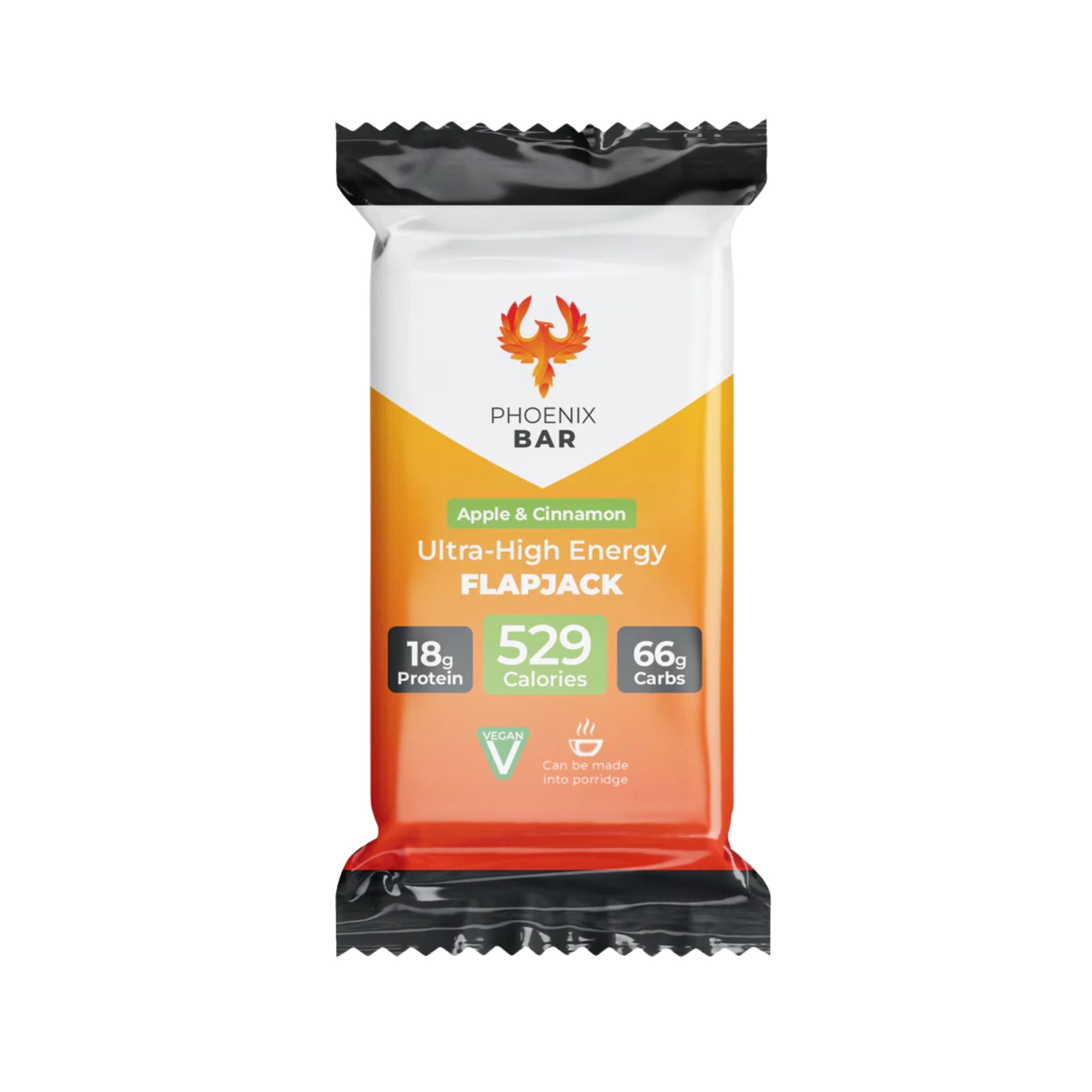
Aim to include a quality protein source at dinner and consider adding protein-rich snacks throughout the day. Freeze dried meals with generous meat portions, jerky, tuna sachets, nuts, and protein bars all have a place on the Larapinta.
Recovery starts the moment you stop walking.
7. Why the Larapinta Is Different
Food planning on the Larapinta isn't the same as somewhere like Tasmania or New Zealand.
There are very few opportunities to supplement your food along the way. Water sources are managed rather than naturally abundant. The climate is significantly drier. Temperatures swing dramatically between day and night, and the terrain is often exposed with long climbs and descents.
That means your food isn't just about calories. It's your recovery, your hydration strategy, your morale and ultimately your enjoyment of the trail.
Pack smart where weight matters. Pack generously where it doesn't. Eat well whenever you have the opportunity.
Your legs will thank you.